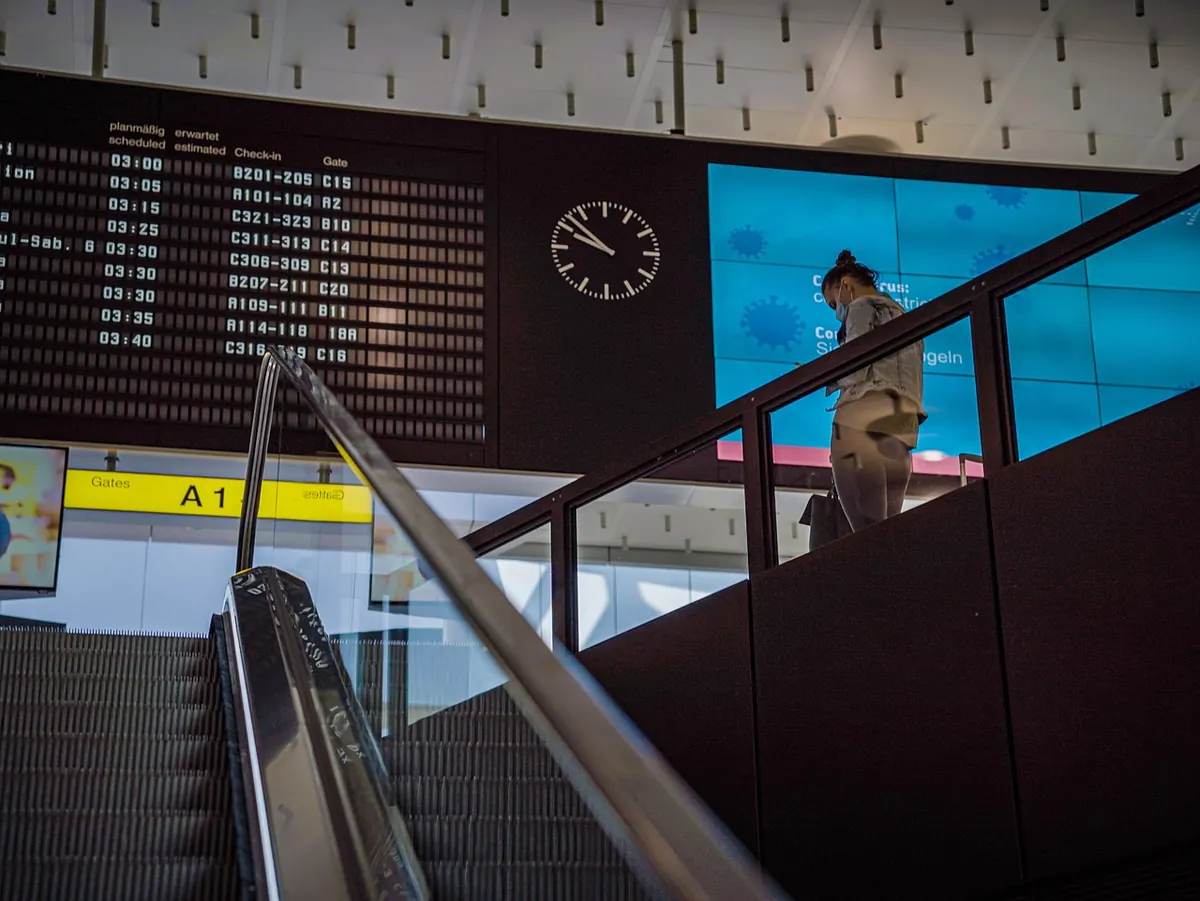
7 Common Queue Management Mistakes That Frustrate Customers
A queue is a promise: wait here, and we will take care of you in turn. Most of the frustration customers feel is not really about the length of the wait. It is about not knowing where to stand, how long it will take, or whether the person who arrived after them is somehow ahead.
The encouraging part is that most queue problems are design problems, not staffing miracles. The same seven mistakes turn up in shops, clinics, ticket counters and service desks. Each one has a fix you can test this week, and most of them cost very little.
1. The Line Nobody Can See
Watch a busy counter for ten minutes and you will spot the tell: people hovering in a loose arc, glancing sideways to work out who is next. A queue that isn't defined has to be negotiated socially, and that is exhausting. Every customer becomes an amateur referee.
Give the line a shape and a starting point. Floor decals, a stanchion run, or a strip of tape on the carpet all work. Put a "line starts here" sign at eye level, not ankle level. Clear the path: a queue that blocks the doorway or wraps through a display aisle makes people give up before they join.
Fast fixes for awkward spaces
- Move the queue away from entrances, tills and pick-up points so it doesn't fight with foot traffic.
- Use one obvious starting marker rather than three competing hints.
- During peaks, have a staff member greet arrivals and point them to the end of the line.
- Check the view from the back of the queue. If customers can't tell where it begins, neither can the next person.
2. Signage That Answers the Wrong Question
Many counters are covered in signs that say nothing useful. "Thank you for your patience" is polite, but it doesn't tell a customer whether to join this line or the one over there. Good signage answers questions at the exact moment they're asked: where do I go for returns, appointments, cash, or a collection?
Put signs at decision points rather than on the wall behind the desk. Use the words customers use, and keep them consistent — if the front sign says "pick-up desk" and the second one says "collection point", people will queue twice. Remove anything out of date, including old opening hours and finished promotions. A cluttered board reads as noise.
3. Staffing to the Average and Ignoring Peaks
Few things sour a customer faster than a queue that triples while a second staff member restocks shelves nearby. The fix starts with knowing your actual pattern. You already have the data: till receipts, appointment bookings, door counts, even the times complaints come in. Turn it into a one-page week map showing your three or four busiest blocks.
- Mark the busy blocks per day, in half-hour slots where you can.
- Move breaks, cleaning, restocking and paperwork into the lulls.
- Add a second position five minutes before the peak starts, not ten minutes into it.
- Agree in advance who gets called forward when the wait passes your threshold.
- Review the map monthly; school terms, holidays and paydays all shift it.
4. One Queue for Every Kind of Customer
A person with a thirty-second question should not be stuck behind three complicated transactions. If your service mix is uneven, separate the flows: a quick-help position for simple requests, a dedicated pick-up or appointment counter, and self-service for the plainest tasks. Triage at the head of the line also works — a staff member sorts arrivals into "quick" and "needs a seat" before they join.
When a single line is the better answer
If every transaction is roughly the same, one line feeding several servers is usually the fairest and fastest arrangement. It prevents the anxiety of picking a "lucky" lane and stops one slow customer from blocking a whole till. Don't split lanes just to look organised; split them when the work genuinely differs.
5. Silence While People Wait
Uncertainty stretches time. A four-minute wait with no information feels worse than an eight-minute wait with a clear explanation. Tell people what to expect, what to have ready, and what happens next. "Someone will call your number" beats a blank stare across the counter.
Keep the information honest. Never quote a wait time you can't hold; "about fifteen minutes" only works if it usually is. When things slip, say so and offer a next step — a form to fill in, a seat, or a named person to ask. Numbered systems and screens help, but only if staff update them when the queue moves.
6. Rules Nobody Explained
Priority lanes, pre-booked appointments, account holders who get waved through: all sensible, all capable of causing quiet resentment if the logic isn't visible. A customer who watches someone walk past them assumes favouritism, and that assumption spreads through the line quickly.
Publish the policy where people join the queue, in plain language, and train staff to say it out loud when they apply it. If appointments are seen first, the sign should say so and explain how to book. However you run it, the rule should sound the same from every team member.
7. Nobody Owns the Queue
Queues drift when everyone assumes someone else is watching. Assign a queue owner for each shift: a person who scans the line every fifteen minutes, checks the wait, opens a second position when needed, and hands out forms or order slips to save time later.
Keep it simple. A notebook with three columns — time, approximate wait, action taken — gives you a pattern within a week or two. A five-minute huddle before the peak, where the team agrees who does what if the line grows, prevents most of the scrambling.
Start With Your Worst Ten Minutes
Don't try to fix all seven at once. Identify the block that generates the most complaints and the most abandoned queues, then pick the mistake that is most visible to customers. Usually that's line definition or signage, and both can be sorted in an afternoon.
Measure the change in the simplest way available: time a handful of waits before and after, or count how many people leave without being served. Keep what works, drop what doesn't, and move on to the next block. Steady, small improvements to flow will do more for customer patience than any single grand redesign.
Photo: Pexels / Pixabay


You Might Also Like
Copying last week's rota is easy, and expensive. Here's how to forecast queue demand interval by interval, then match shift starts, breaks, and tasks to the curve.
Turn wait-time and arrival data into a clear, one-page business case for extra staff at peak hours, with numbers your manager can check.