Appointment Scheduling vs. Walk-In Queues: Which Model Fits Your Business?
Two customers arrive on the same Tuesday. One booked last week and expects to be seen at 10:15. The other walks in at 10:20 because the problem could not wait. If your scheduling model serves only one of them well, you are either turning away revenue or spending goodwill you will need later. The useful question is not which model is more modern. It is which one matches your demand pattern, your staffing reality, and your customers' tolerance for waiting.
The Three Models, Briefly
Appointment-only. Every customer holds a slot, and walk-ins are redirected to the next opening. Dental practices, tax preparers and consultants often work this way because the work is long and needs a specific person.
Walk-in-only. First come, first served, managed with a ticket or a physical line. Many takeaway counters, government service desks and emergency departments run this way because arrivals genuinely cannot be scheduled.
Hybrid. Part of the day, or part of each hour, is reserved for bookings and the rest is held for walk-ins. Salons, urgent care clinics, auto shops and bank branches use versions of this.
None of these is a sensible default. Each is a bet about how much uncertainty you can absorb.
Customer Convenience Is Not a Single Score
Appointments sell certainty. Your customer picks the hour, plans the day around it, and arrives expecting to be seen close to on time. Honor that and the experience feels respectful. Run twenty minutes late as a habit and the appointment becomes worse than a queue, because the customer gave up flexibility for a promise you did not keep.
Walk-ins sell flexibility. Someone can come when the need appears, without planning days ahead. In exchange they accept waiting, but only if the wait is visible and fair.
Ask what your customers are optimizing for
A parent booking a haircut wants a predictable slot. A driver with a flat tire wants to be seen now. Someone with a persistent cough may accept a booking two days out; someone with chest pain should never be routed through a calendar at all. If you run a clinical service, triage belongs with qualified staff, not with your booking page. For most businesses the test is simpler: count how many people ask "can I just come in?" against how many ask "what times do you have?" That ratio tells you more than any general preference.
Staffing: Where the Real Costs Hide
Appointment-only looks efficient on paper. Demand is smoothed, shifts are easier to plan, and idle time is more predictable. The risk sits in the no-show and the late cancellation, which leave a paid employee with nothing to do and a slot nobody can fill at short notice. That is why many appointment businesses confirm bookings a day ahead or keep a small standby list.
Walk-in-only pushes the cost to the other side. You staff for the busiest plausible hour rather than the average one, because a long queue damages trust faster than a quiet counter damages margins. Lunch rushes, Monday mornings and month-end peaks all demand coverage.
Hybrid gives you the most control and demands the most discipline. Someone has to decide, every day, how many slots to release and when to stop accepting walk-ins. Without that decision, hybrid quietly becomes whatever the loudest person in the room wants.
Predictability and the Waiting Experience
Queues feel shorter when three things are true: people know roughly how long they will wait, they can see that the order is fair, and they have something to do in the meantime. A ticket number on a screen beats a vague "someone will be with you shortly." An estimated wait of fifteen minutes that turns out to be fifteen minutes builds more trust than any apology.
Appointments remove the wait entirely, but they create a second problem: the booked customer who arrives on time and watches a walk-in get served first. Whatever rule you choose, make it visible. "Booked customers are seen at their time; walk-ins are seen between bookings" is a policy people can accept, even when they dislike it.
Fairness is not about everyone waiting the same amount. It is about everyone understanding the same rule.
Building a Hybrid That Doesn't Alienate Anyone
If you are moving from walk-in-only to hybrid, do it in stages and watch what breaks.
- Measure first. For two weeks, log arrivals by hour, service times and wait lengths. You cannot split capacity sensibly without knowing the shape of your demand.
- Reserve a modest block. Start with a small share of daily capacity for bookings, enough to test but not enough to strand walk-ins. Adjust every fortnight.
- Protect the promise. If a booked customer is kept waiting, the model has failed. Release fewer slots rather than over-promise.
- Give walk-ins an honest estimate. A real number, updated as the queue moves, plus the option to leave and be messaged when their turn nears.
- Publish the rules. Signage, your website and your phone greeting should say the same thing about how each group is served.
- Review weekly at first. Hybrid models drift. Someone has to own the split.
Signs You Picked the Wrong Model
- Your appointment book is full but daily revenue is flat, meaning you are booking people who would have walked in anyway.
- Walk-ins routinely wait past the point where they leave. Losing them means your capacity split is wrong.
- Staff spend more time apologizing for the queue than serving it.
- No-shows consistently outnumber the customers you turn away.
- Your busiest hour is staffed exactly like your quietest.
Start With the Bottleneck, Not the Software
Pick the model by asking where your constraint actually sits. If it is a scarce specialist's time, appointments protect it. If it is an unpredictable public need, walk-ins absorb it. If you have both, split capacity deliberately, write the rule down, and check each week whether the promise is being kept.
Then choose the tools. A booking page and a queue system are only as good as the policy behind them, and a policy nobody follows is a poster on the wall. Make the smallest change that solves your worst bottleneck this month, and let the model grow from evidence rather than taste.
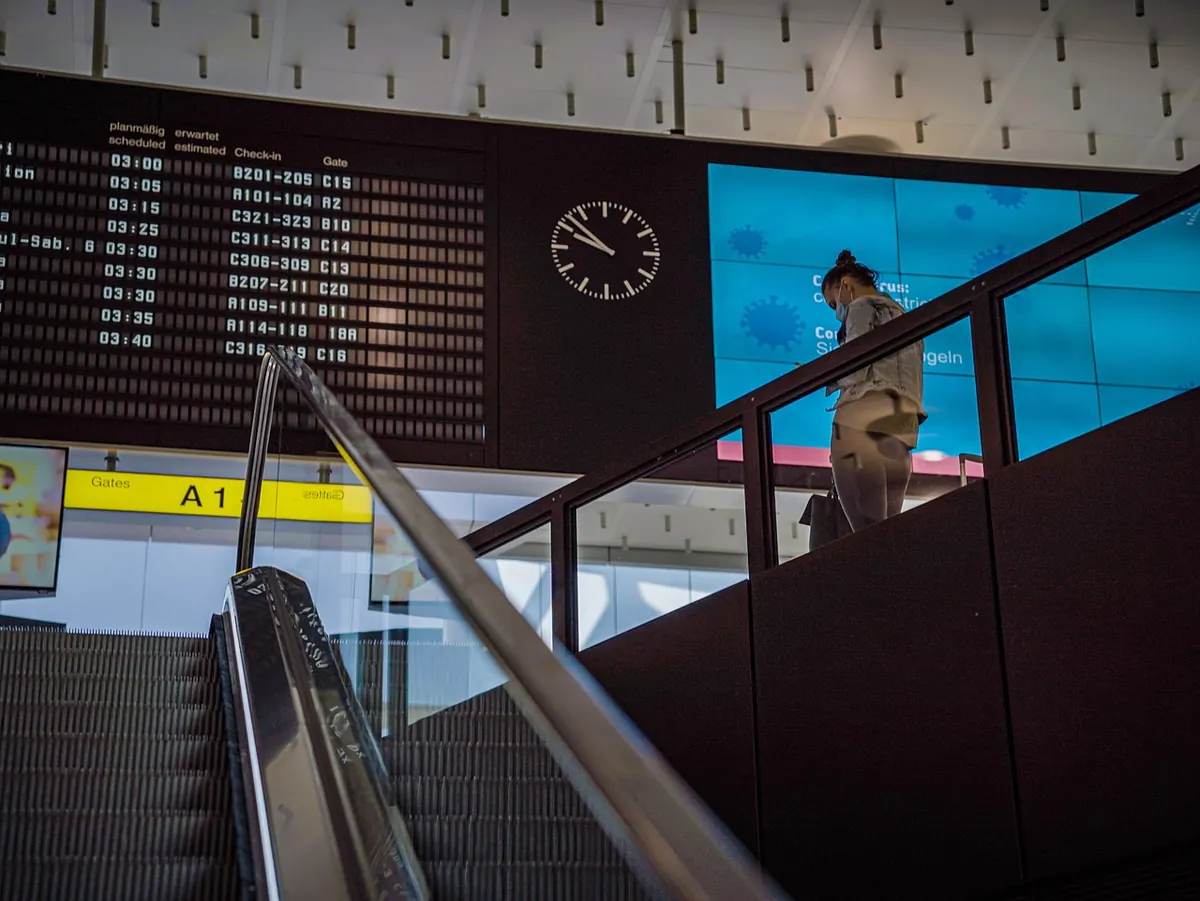
Photo: Nothing Ahead / Pexels


You Might Also Like
Copying last week's rota is easy, and expensive. Here's how to forecast queue demand interval by interval, then match shift starts, breaks, and tasks to the curve.
Turn wait-time and arrival data into a clear, one-page business case for extra staff at peak hours, with numbers your manager can check.